






Categories List
 Effective February 1 and May 1, 2026, these standards relevant to the cable industry will come into force.Feb 01, 2026
 Current Status and Development Trends of Irradiated Cross-linked Wires and CablesApr 16, 2026
 Mr. Wang Jun, Deputy Director-General of the State Administration for Market Regulation, and his delegation visited the company to conduct an inspection and provide guidance.Jul 15, 2022
Contact Us
Irradiation cross-linking—also known as electron beam cross-linking—is a process that utilizes a high-energy electron beam generated by an electron accelerator to disrupt and subsequently reconstruct the molecular bonds within the insulation and sheathing layers of a cable. As this high-energy electron beam penetrates materials such as polyolefins, it acts like a multitude of molecular scalpels operating simultaneously: it severs all the weak links present in the original molecular chains and then re-welds them into a dense, three-dimensional network structure. Consequently, the raw materials acquire a unique set of properties, including exceptional thermal resistance, resistance to acids and radiation hazards, a high degree of flame retardancy, and superior toughness.
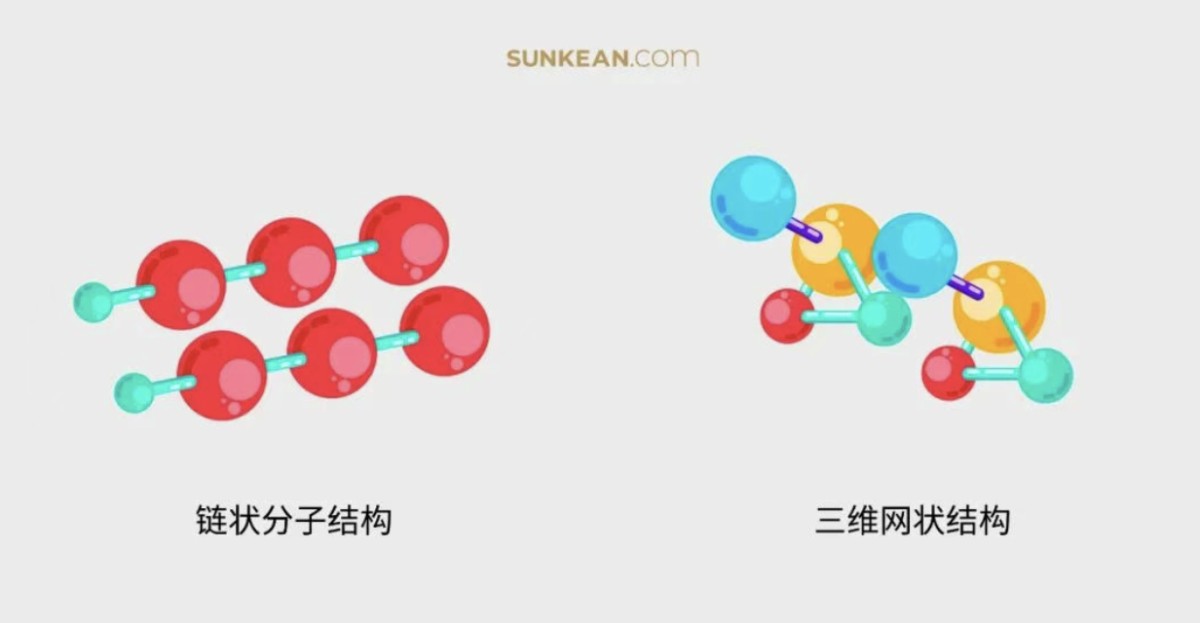
(Changes in Internal Structure Before and After Irradiation Cross-linking)
Irradiation cross-linked, flame-retardant insulated wires and cables are primarily utilized in projects involving residential homes, high-rise buildings, hotels, hospitals, subway stations, nuclear power plants, tunnels, power stations, mines, oil and gas facilities, and chemical plants. Furthermore, they are essential for power supply circuits in emergency systems—such as fire alarm systems, security equipment, smoke extraction systems, emergency transport channels, and emergency lighting—in any location where fire safety is a critical requirement.
The advantages of electron-beam irradiation cross-linked wires and cables include:
1. Irradiation cross-linked products offer superior performance, energy efficiency, and zero pollution;
2. Irradiation cross-linking is a method capable of producing wires and cables that are simultaneously cross-linked and flame-retardant;
3. High temperature resistance rating. The temperature resistance rating of irradiation cross-linked products can reach 105–150°C, whereas other chemical cross-linking methods are currently limited to 90°C, and PVC is limited to just 70°C;
4. Strong radiation resistance (excellent aging resistance and thermal stability), along with superior resistance to cracking;
5. Irradiation cross-linked products undergo cross-linking at ambient temperature; this process prevents annealing of the conductor and eliminates defects caused by thermal stress during manufacturing, thereby avoiding thermal stress within the insulation layer.
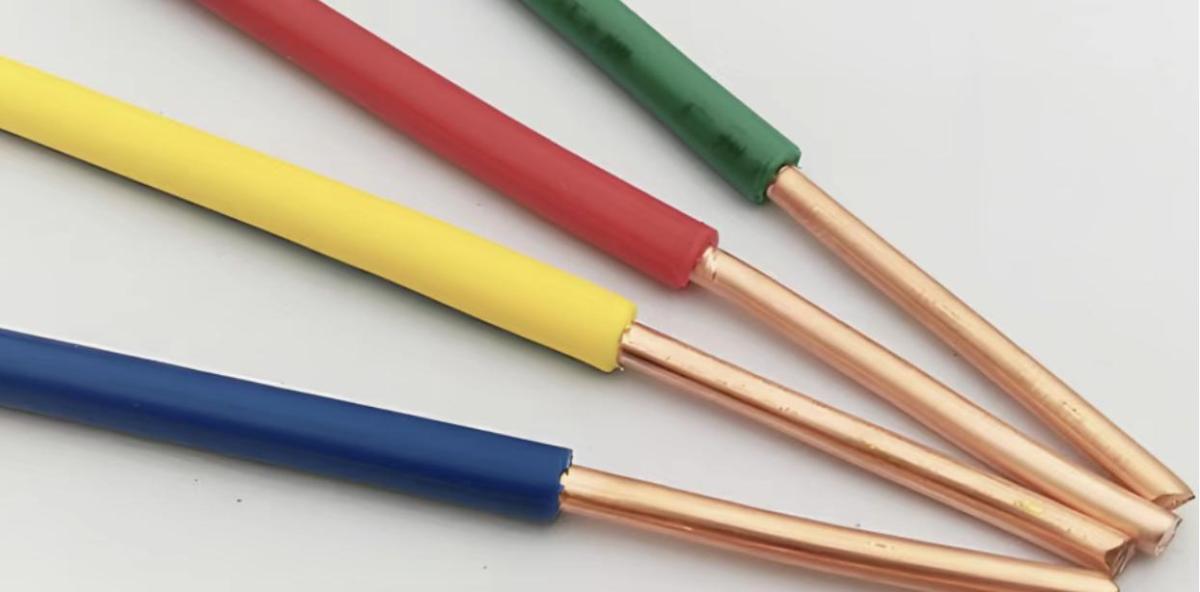
(I) Current Status of Radiation Processing Applications in my country's Wire and Cable Industry
The development of radiation processing technology within my country's wire and cable industry is primarily reflected in the following aspects:
1. Rapid Growth in the Number of Electron Accelerators and the Establishment of Large-Scale Production Capacity. In the early 1990s, the cable industry witnessed a surge in investment in electron accelerator production lines dedicated to the manufacture of radiation-crosslinked wires and cables. Driven by technological advancements, the number of electron accelerator production lines owned by the cable industry grew rapidly. Currently, although my country's production capacity for radiation-processed wires and cables still lags behind that of the United States, the gap between China and nations such as Japan, Russia, and those in Western Europe has narrowed significantly; consequently, China is internationally recognized as the country with the fastest pace of development in the field of radiation processing.
2. Significant Progress in Market Development for Radiation-Crosslinked Wire and Cable Products. During the 1990s, the market penetration of radiation-crosslinked wires and cables faced significant hurdles. These included lags in the development of radiation processing techniques, a scarcity of domestically produced raw material varieties—coupled with their inconsistent quality—and delays in the formulation of relevant domestic standards. As a result, many electron accelerator production lines operated at under-capacity, hindering the full realization of their economic benefits. In recent years, however, the situation has improved considerably. While the annual output value of radiation-crosslinked wires and cables stood at a mere 30 million RMB in 1992, it has since surged to nearly 3 billion RMB. The products that have been successfully developed and have established relatively mature market positions primarily include:
(1) 10kV and 1kV Radiation-Crosslinked Polyethylene-Insulated Overhead Cables. This product category marked the first major triumph in the history of China's radiation-crosslinked wire and cable industry; to this day, it remains the flagship product for radiation-crosslinked cables at numerous cable manufacturing plants.
(2) 1kV Radiation-Crosslinked Polyethylene-Insulated Power Cables (including flame-retardant, fire-resistant, and halogen-free/low-smoke variants). This product was among the earliest varieties of radiation-crosslinked wires and cables to be developed; however, due to various factors, it failed to gain market acceptance for an extended period. With the nation's increased investment in power grid modernization and the acceleration of economic development, these cables have gradually gained acceptance among power supply authorities and the broader user base. The replacement of PVC-insulated power cables by cross-linked polyethylene (XLPE) insulated power cables has become an irreversible trend; their usage volume increases annually, and they have emerged as the flagship product for irradiated cross-linked cables at numerous cable manufacturing plants. Consequently, they are classified as a high-volume, widely applicable category of irradiated cable products.
(3) Irradiated Cross-linked Polyethylene Insulated Control Cables (including flame-retardant, fire-resistant, and low-smoke, halogen-free types). Much like power cables, PVC-insulated control cables are inevitably destined to be supplanted by XLPE-insulated control cables; furthermore, for small-cross-section cables—particularly those that are halogen-free and flame-retardant—the irradiation cross-linking method is the preferred manufacturing technique.
(4) Irradiated Cross-linked Polyethylene Insulated Airport Lighting Cables. This product has been widely adopted by both civil aviation and military airfields.
(5) 125°C Irradiated Cross-linked Polyolefin Insulated Locomotive Wiring. This product has been accepted by the Ministry of Railways and various locomotive manufacturing plants; however, its performance characteristics still await further improvement.
(6) 105°C Irradiated Cross-linked PVC (XLPVC) Insulated Wires. XLPVC-insulated wires can *only* be manufactured using the irradiation cross-linking method. Currently, products of this type are primarily manufactured in accordance with U.S. standards such as UL 1429, 1430, 1431, and 1672; they are utilized as component wiring for electronic products destined for export, and the manufacturing enterprises for these wires are predominantly concentrated in the Pearl River Delta and Yangtze River Delta regions.
(7) 125°C–150°C Irradiated Cross-linked Polyolefin Insulated Wires. Currently, products of this type are primarily manufactured in accordance with U.S. standards such as UL 3266, 3173, 3271, 3272, and 3321; they serve as component wiring for products such as electric motors and lighting fixtures destined for export. Market demand for these wires is substantial, and the manufacturing enterprises are predominantly concentrated in the Pearl River Delta and Yangtze River Delta regions.
(8) Irradiated Cross-linked Low-Voltage Automotive Wiring. Currently, two main types of these wires have entered the market: first, 105°C irradiated cross-linked PVC-insulated automotive wiring; and second, 125°C irradiated cross-linked polyolefin-insulated automotive wiring. The standards adopted include those from the USA (SAE), Japan (JASO), Germany (DIN), and France (PSA); however, the variety and quality of these products have not yet fully met market demand, necessitating continued large-scale imports.
(9) Other products successfully developed include irradiation-crosslinked polyethylene-insulated submersible oil pump cables, nuclear power plant cables, and high-voltage cables for color televisions.
3. Various materials specifically designed for irradiation-crosslinked wires and cables have been successfully developed, primarily including:
(1) 1 kV to 10 kV irradiation-crosslinked insulation materials for overhead cables;
(2) 90°C to 105°C halogen-free, flame-retardant, irradiation-crosslinked insulation and sheathing materials for cables;
(3) 150°C irradiation-crosslinked polyolefin cable materials;
(4) 125°C irradiation-crosslinked polyolefin cable materials;
(5) 105°C irradiation-crosslinked polyvinyl chloride (PVC) cable materials;
(6) Specialized irradiation-crosslinked materials for airport lighting cables;
(7) 125°C to 150°C irradiation-crosslinked polyolefin insulation materials for motor lead wires.
(II) The Gap Relative to Advanced International Standards and Existing Challenges
Compared to major nations in the irradiation industry—such as the USA, Germany, and Japan—my country still faces significant gaps in terms of industrial scale, technological sophistication, and the concentration of talent. The primary challenges and an analysis of their underlying causes are outlined below:
(1) Enterprises engaged in the irradiation processing of wires and cables generally suffer from insufficient investment in technology and a low capacity for technological innovation. Beyond merely possessing modern equipment, it is crucial to cultivate a robust capacity for technological innovation—encompassing every aspect from product design and materials science to manufacturing processes and equipment engineering.
(2) In certain regions, enterprises suffer from low equipment utilization rates and uneven economic performance. Even those companies demonstrating relatively strong financial results still lag significantly behind their counterparts in advanced nations in terms of economic efficiency. The causes for this disparity are multifaceted, stemming primarily from a limited variety of existing products and fierce inter-company competition, which collectively drive down profit margins. Furthermore, product standards often lag behind industry advancements, marketing and promotional efforts are insufficient, market expansion initiatives are sluggish, and overall market share remains low. (3) In the irradiation processing of wires and cables, some enterprises suffer from accelerator beam-line equipment that fails to meet design specifications, coupled with a lack of beam-line monitoring capabilities. Consequently, the surface dose distribution of the wires and cables after irradiation is uneven; this prevents them from meeting the requirements for material modification, resulting in a low product pass rate.
(4) Product development remains largely confined to a limited range of items, such as low-voltage power cables, overhead insulated cables, motor lead wires, locomotive wiring, and lighting cables. There is a relative scarcity of high-end, specialized irradiated cables—specifically those designed for military, aerospace, and offshore oil platform applications. The reasons for this are threefold: First, materials development lags behind equipment investment, leaving the field of high-grade irradiation-crosslinked materials almost entirely unexplored. Second, there is a shortage of specialized technical talent in irradiation processing, and enterprises have failed to invest sufficiently in R&D, causing the development of new products to fall significantly behind. Third, the cultivation and maturation of the market itself remains an ongoing process that requires time.
(III) Future Development Trends
Irradiated cables continue to make steady progress in terms of technological innovation. For instance, advancements such as dynamic electron beam control technology, high-energy electron beam irradiation techniques, and dual-layer co-extrusion processes have not only enhanced the durability and safety of wires but also rendered their manufacturing processes more environmentally friendly. Looking ahead, driven by continuous technological progress, irradiated cables are expected to find applications in an expanding array of fields—such as smart grids and high-efficiency energy management systems—thereby opening up even broader market prospects.
Source: Shandong Wire and Cable Association (Content will be removed upon request if it infringes on rights.)


Get a Quote
Regardless of whether you require general advice or specific support, we are happy to help you.