






Search
Categories
Contact Us
‹
›
‹
›
Product Description
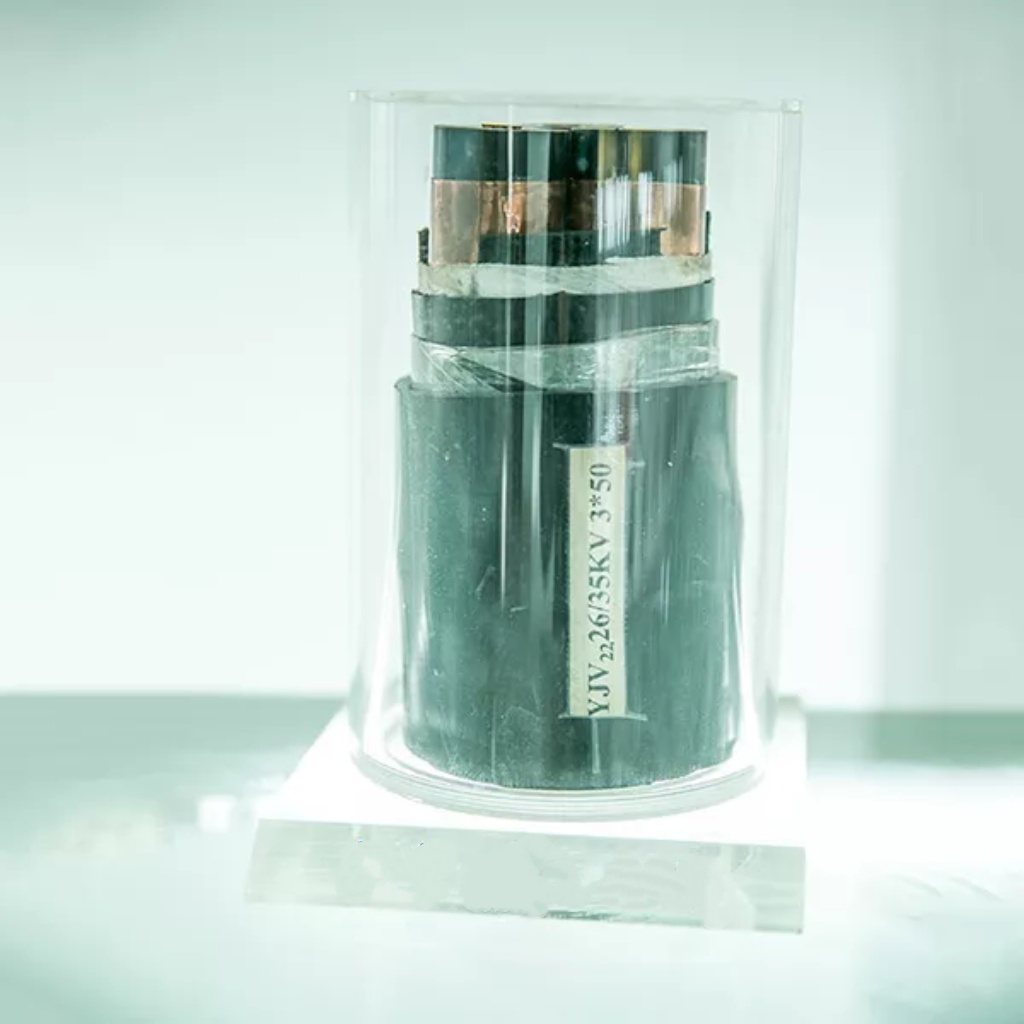
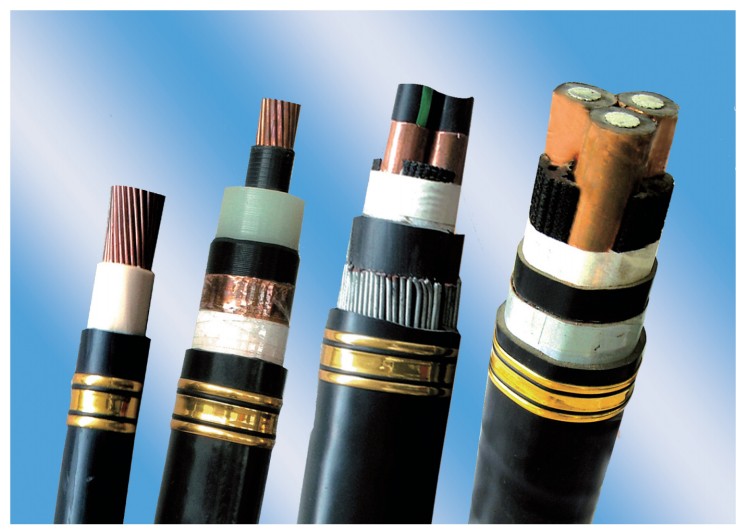
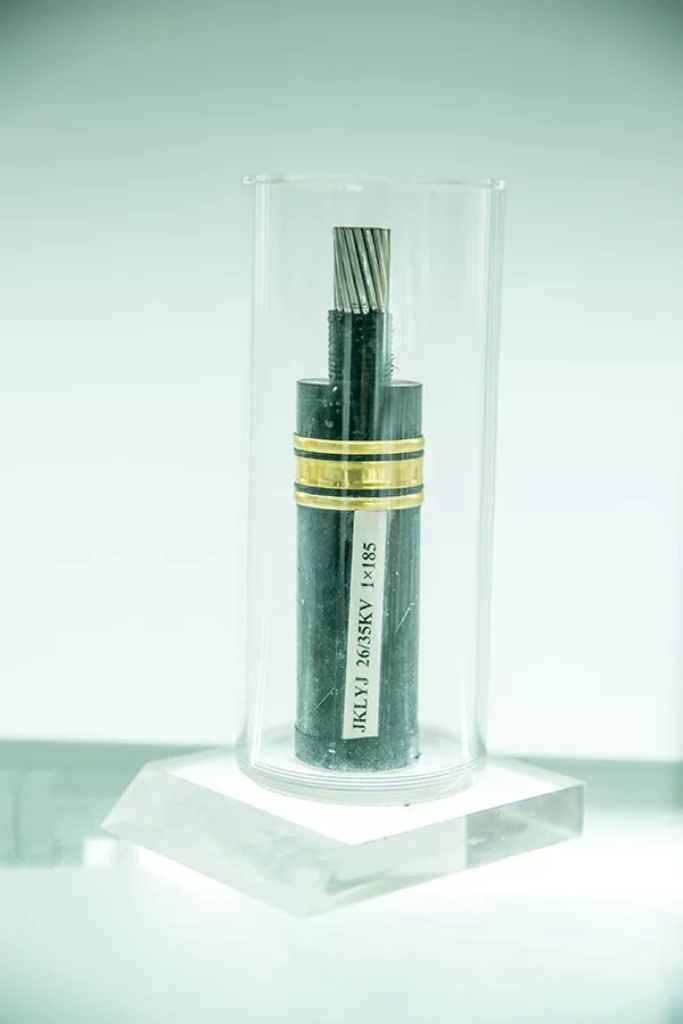
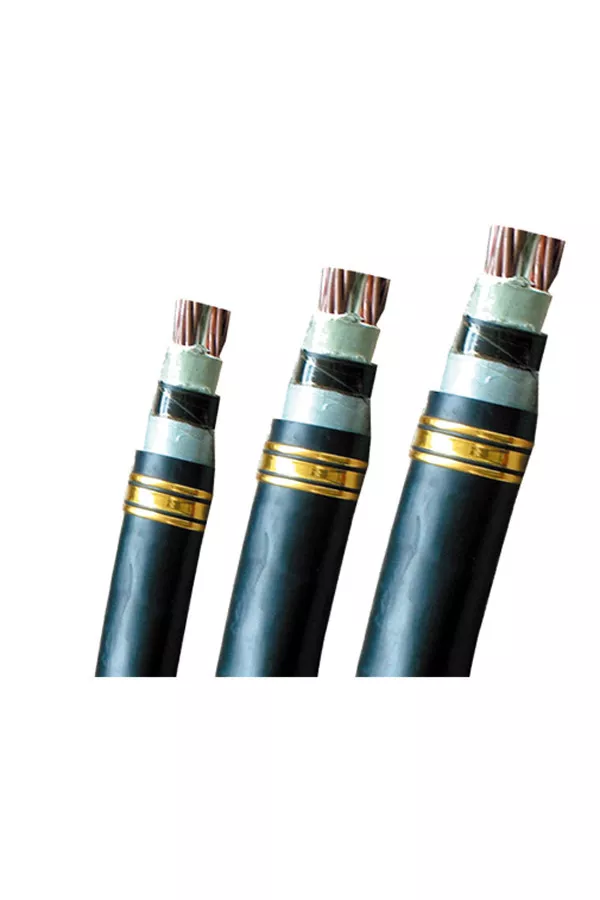
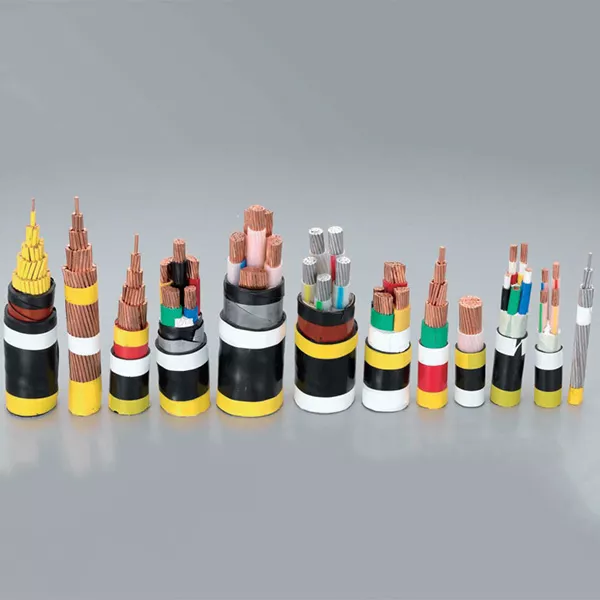
This product is suitable for fixed installation in power transmission and distribution lines with an AC frequency of 50 Hz and a rated voltage of 35 kV (Um = 40.5 kV) or below, serving the purpose of transmitting electrical energy. Compared to PVC-insulated power cables, cross-linked power cables not only possess excellent electrical, mechanical, and thermal aging properties, but also demonstrate superior resistance to environmental stress and chemical corrosion. Furthermore, they feature a simple structure, light weight, freedom from installation height restrictions, and a high long-term operating temperature (90°C). The mechanical, physical, and electrical properties of these cables comply with the following national standards: GB/T 12706.1-2020 (for cables with rated voltages of 1 kV [Um = 1.2 kV] and 3 kV [Um = 3.6 kV]); GB/T 12706.2-2020 (for cables with rated voltages ranging from 6 kV [Um = 7.2 kV] to 30 kV [Um = 36 kV]); and
GB/T 12706.3-2020 (for cables with a rated voltage of 35 kV [Um = 40.5 kV]). In the cable voltage designation Uo/U(Um): Uo represents the rated power-frequency voltage between the conductor and the earth (or metal screen) used for cable design; U represents the rated power-frequency voltage between conductors used for cable design;
Um represents the maximum value of the "highest system voltage" that the equipment is capable of withstanding.
Usage Characteristics
1. Cable laying temperature: ≥ 0°C;
2. Maximum permissible long-term operating temperature of the cable conductor: ≤ 90°C;
3. Maximum operating temperature of the cable during a short circuit (duration not exceeding 5 seconds): 250°C;
4. Minimum permissible bending radius of the cable: Single-core cables: 20D (unarmored), 15D (armored) [mm]; Multi-core cables: 15D (unarmored), 12D (armored) [mm].
Key Electrical Characteristics
Production Scope
Production Scope
Note: 1. The specific number of cores and cross-sectional area are determined by the cable model and voltage rating.
2. For 0.6/1 kV and 1.8/3 kV cables, the silane (warm water) cross-linking method or irradiation cross-linking method is employed; for 3.6/6 kV to 26/35 kV cables, the chemical cross-linking method is used.
Related Product
 Rubber Sleeve Welding Machine CableLearn More >>
 Pre Branch CableLearn More >>
 Overhead Insulated CableLearn More >>
 General Rubber Sheathed Flexible CableLearn More >>
 Shielded Cables For Computers and InstrumentsLearn More >>
 Flame-Retardant Wires and CablesLearn More >>
 Irradiated Cross-linked Wires and CablesLearn More >>
 Concentric-Lay-Stranded Overhead ConductorsLearn More >>
 Cables for Rail Transit VehiclesLearn More >>
 Silicone Rubber Insulated Power CableLearn More >>
 PVC insulated cables and wires with rated voltage below 450/750VLearn More >>
 High-Performance, Long-Life Wires and CablesLearn More >>
 Fluoroplastic insulated cablesLearn More >>
 Mineral-insulated fireproof cableLearn More >>
 Cables for conductive charging systems of electric vehiclesLearn More >>
 Share") Halogen-Free, Low-Smoke, Cross-Linked Polyethylene Insulated Power Cables for Coal Mines (Rated Voltage 8.7/10 kV and Below) ShareLearn More >>
Halogen-Free, Low-Smoke, Cross-Linked Polyethylene Insulated Power Cables for Coal Mines (Rated Voltage 8.7/10 kV and Below) ShareLearn More >> Power Cables for Fixed Installation in Coal MinesLearn More >>
 Metal-sheathed rubber-sheathed flexible cable for mine frequency conversion device with rated voltage below 1.9/3.3kVLearn More >>
 Rubber-sheathed flexible cable for coal mine frequency conversion devices with a rated voltage of 1.9/3.3kV or belowLearn More >>
 Rated voltage 0.3/0.5kV Mobile lightweight flexible cable for coal minesLearn More >>
 Rated voltage 0.3/0.5kV coal mine electric drill cableLearn More >>
 Rated voltage 8.7/10 kV and below mobile metal-sheathed monitored flexible cableLearn More >>
 Rated voltage 1.9/3.3kV mobile shielded rubber-sheathed flexible cable for coal minesLearn More >>
 1.9/3.3kV and below mobile flexible cableLearn More >>
 Rated voltage 1.9/3.3kV and below metal shielded flexible cable for coal mining machinesLearn More >>
 1.9/3.3kV and below coal mining machine flexible cableLearn More >>
 Plastic insulated control cable for coal minesLearn More >>
 Flame-Retardant Flexible Cables for Mobile Applications in Coal MinesLearn More >>


Get a Quote
Regardless of whether you require general advice or specific support, we are happy to help you.